
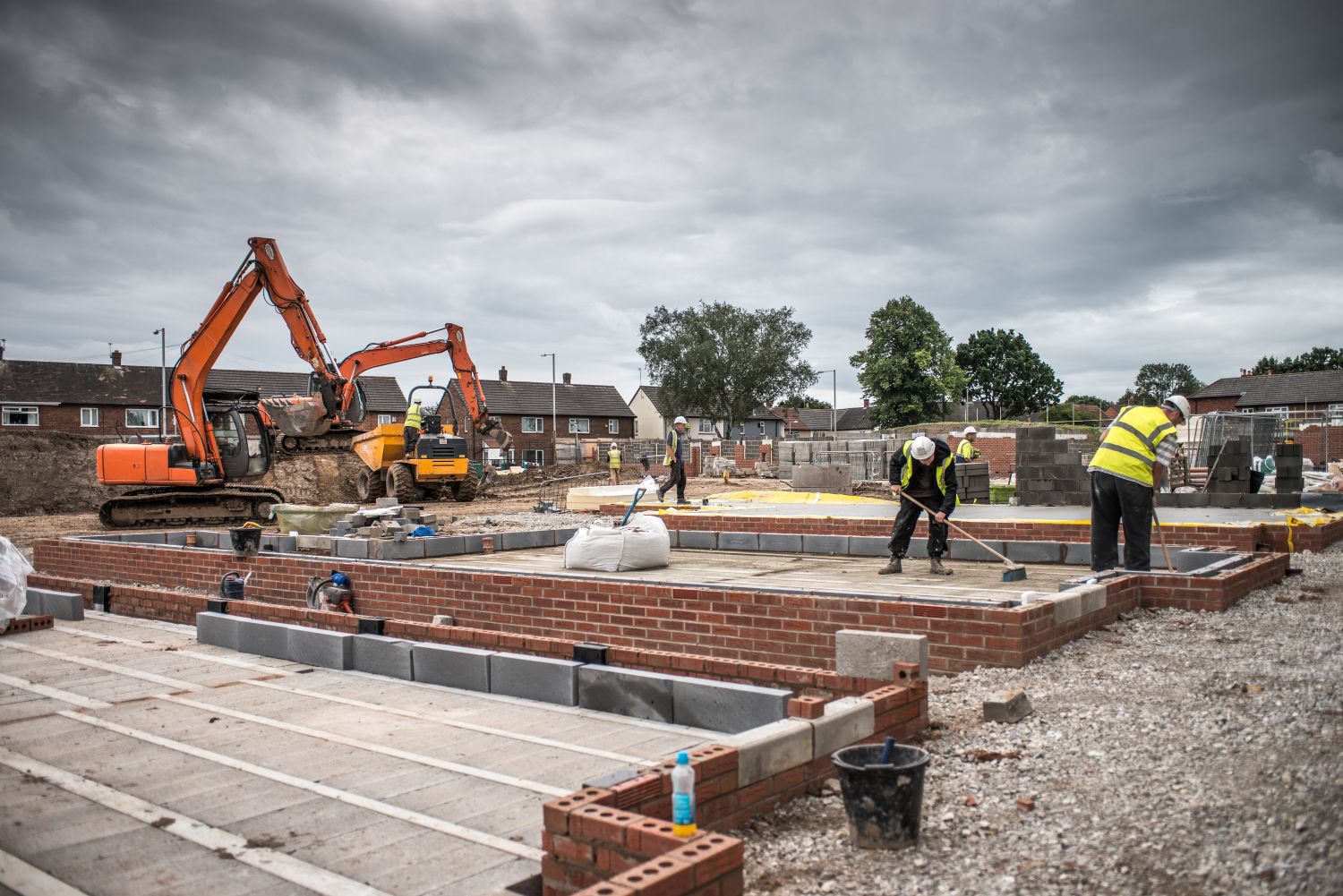
The Hidden Costs of Cheap Home Building: Unveiling the Risks and Pitfalls
In the realm of home construction, the allure of cost-saving measures can be tempting, particularly for those with limited budgets. However, the pursuit of cheaper alternatives often comes at a steep price – one that extends far beyond the initial financial outlay. Unveiling the hidden costs and risks associated with cheap home building is crucial for prospective homeowners to make informed decisions that prioritize long-term value over short-term savings.
The Illusion of Affordability
At first glance, the promise of a lower upfront cost may seem like a wise financial decision. However, this perception is often a mirage, obscuring the true long-term implications of cutting corners during the construction process. Cheap home building frequently translates into subpar materials, inadequate workmanship, and a disregard for industry standards and best practices.
The Compromised Structural Integrity
One of the most significant risks associated with cheap home building is the potential for compromised structural integrity. Cutting costs on essential components such as foundations, framing, and roofing can lead to structural deficiencies that may manifest over time. These deficiencies not only pose safety hazards but also require costly repairs or even complete reconstruction, negating any initial savings.
Energy Inefficiency and Environmental Impact
Cheap home building practices often overlook the importance of energy efficiency and sustainable construction methods. Poorly insulated homes, inefficient heating and cooling systems, and a lack of eco-friendly materials can result in higher utility bills and a larger carbon footprint. These hidden costs not only strain household budgets but also contribute to environmental degradation, undermining the long-term sustainability of the home.
Diminished Aesthetic Appeal and Resale Value
Skimping on finishes, materials, and craftsmanship can severely impact the aesthetic appeal of a home. Cheap construction often results in subpar finishes, shoddy workmanship, and a general lack of attention to detail. These factors not only detract from the enjoyment of living in the home but also negatively impact its resale value, making it a less desirable investment in the long run.
Health and Safety Concerns
Cheap home building practices can also pose serious health and safety risks. The use of low-quality materials, inadequate ventilation systems, and improper installation of essential components can lead to issues such as mold growth, poor indoor air quality, and potential fire hazards. These hidden costs can have far-reaching consequences, jeopardizing the well-being of occupants and potentially leading to costly remediation efforts.
The True Cost of Ownership
When considering the hidden costs associated with cheap home building, it becomes evident that the true cost of ownership extends far beyond the initial purchase price. Frequent repairs, higher utility bills, diminished property value, and potential health and safety concerns all contribute to an ongoing financial burden that can quickly outweigh any perceived savings.
Investing in Quality and Expertise
While the upfront cost of quality home building services may be higher, it is an investment in long-term value, safety, and peace of mind. Reputable builders prioritize skilled craftsmanship, premium materials, adherence to industry standards, and a commitment to sustainable practices. By partnering with experienced professionals, homeowners can mitigate the risks associated with cheap construction and ensure a home that stands the test of time, both structurally and aesthetically.
Conclusion
In the pursuit of affordable home ownership, it is crucial to recognize that true value extends beyond the initial price tag. Cheap home building practices often conceal a multitude of hidden costs and risks that can manifest over time, compromising the integrity, efficiency, and overall quality of the home. By investing in quality construction services and partnering with reputable builders, homeowners can safeguard their investment, prioritize safety and sustainability, and create a lasting legacy that transcends generations.